Your Liver Health - Our Priority
Integrated Liver Health for You and Your Family
A globally acclaimed centre delivering comprehensive, compassionate liver, digestive and transplant care.
Integrated Liver Health for You and Your Family

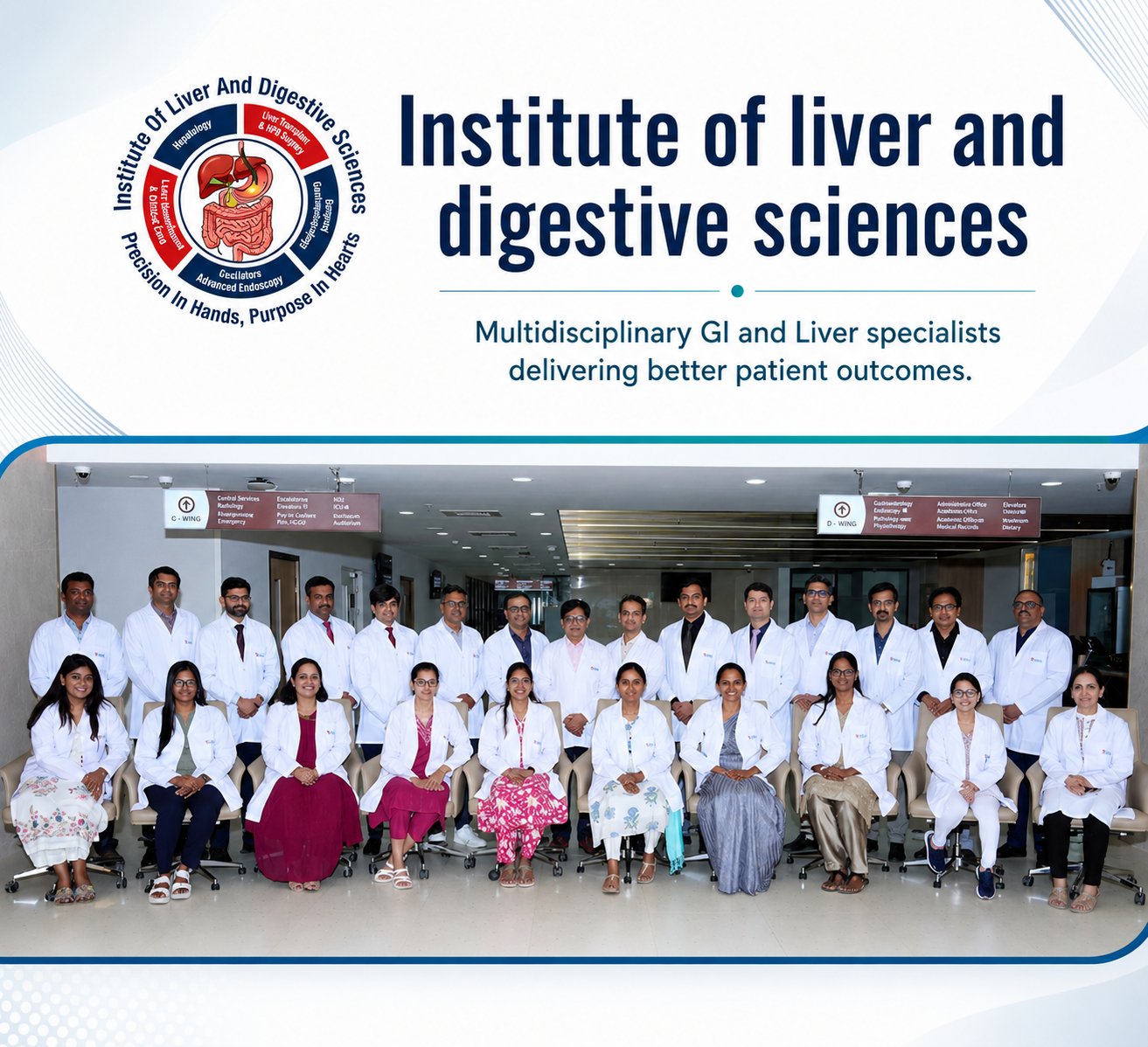
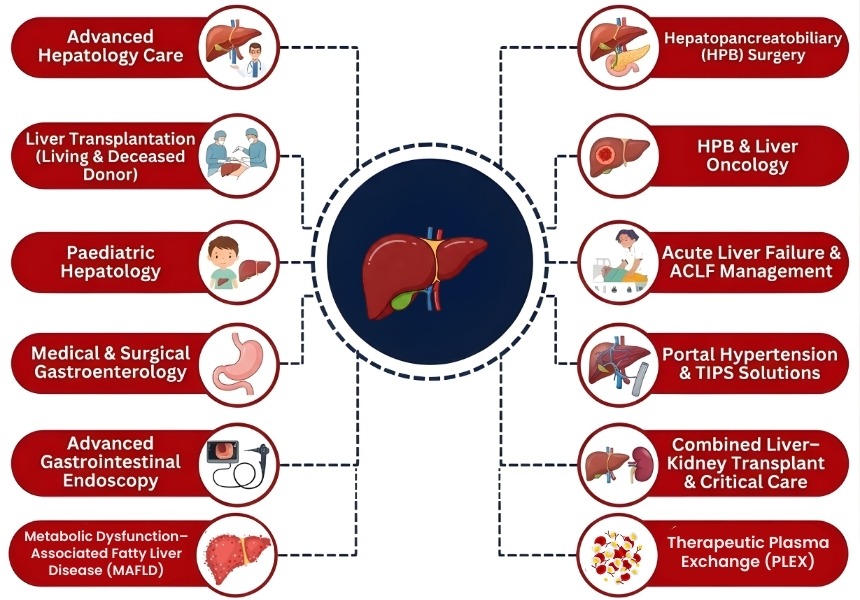
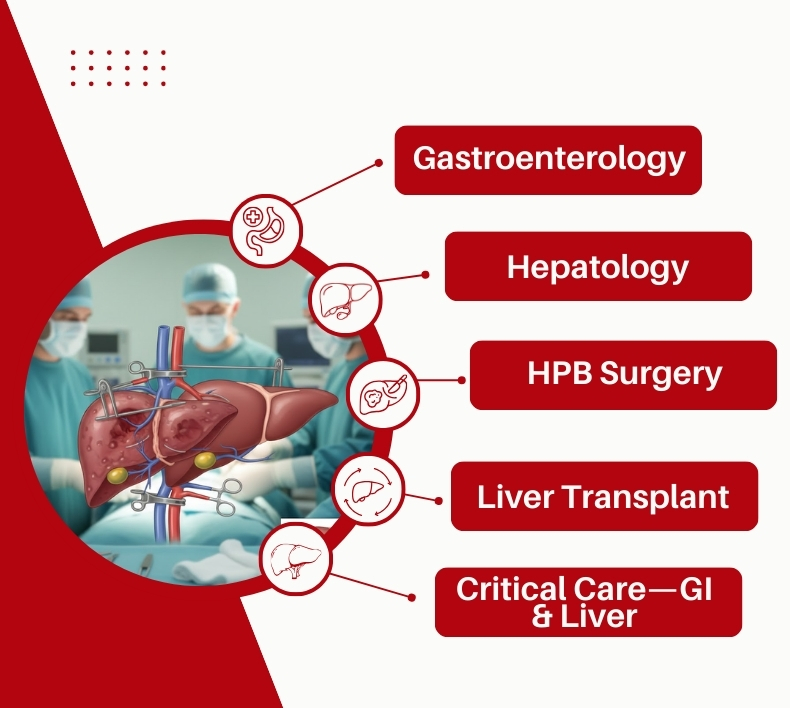
ILDS bring together Gastroenterology, Hepatology, HPB Surgery, Liver Transplantation, Advanced Endoscopy along with GI and Liver Critical Care Specilist to deliver evidence - based patient centric outcomes for Adults and Children with benign and oncology diseases

Specialists across disciplines collaborating seamlessly to provide holistic, patient-first treatment

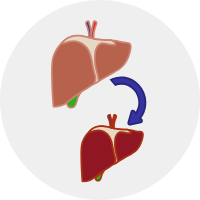
Enhancing patient fitness and outcomes before major liver surgery

End-to-end management from advanced endoscopy to liver transplantation

Right care, at the right time, by the right team

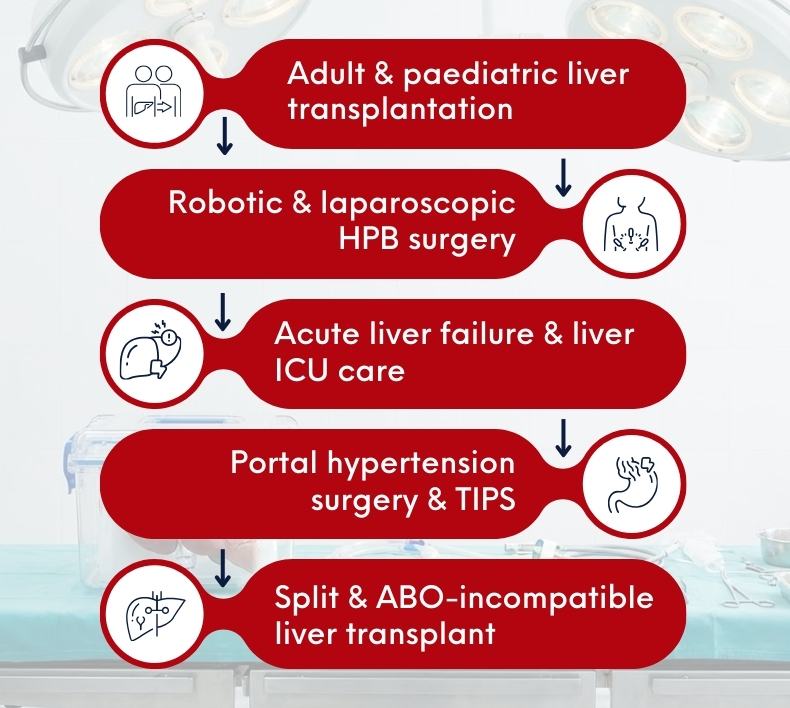
Integrated hepatology, surgery, transplant, and advanced liver therapies

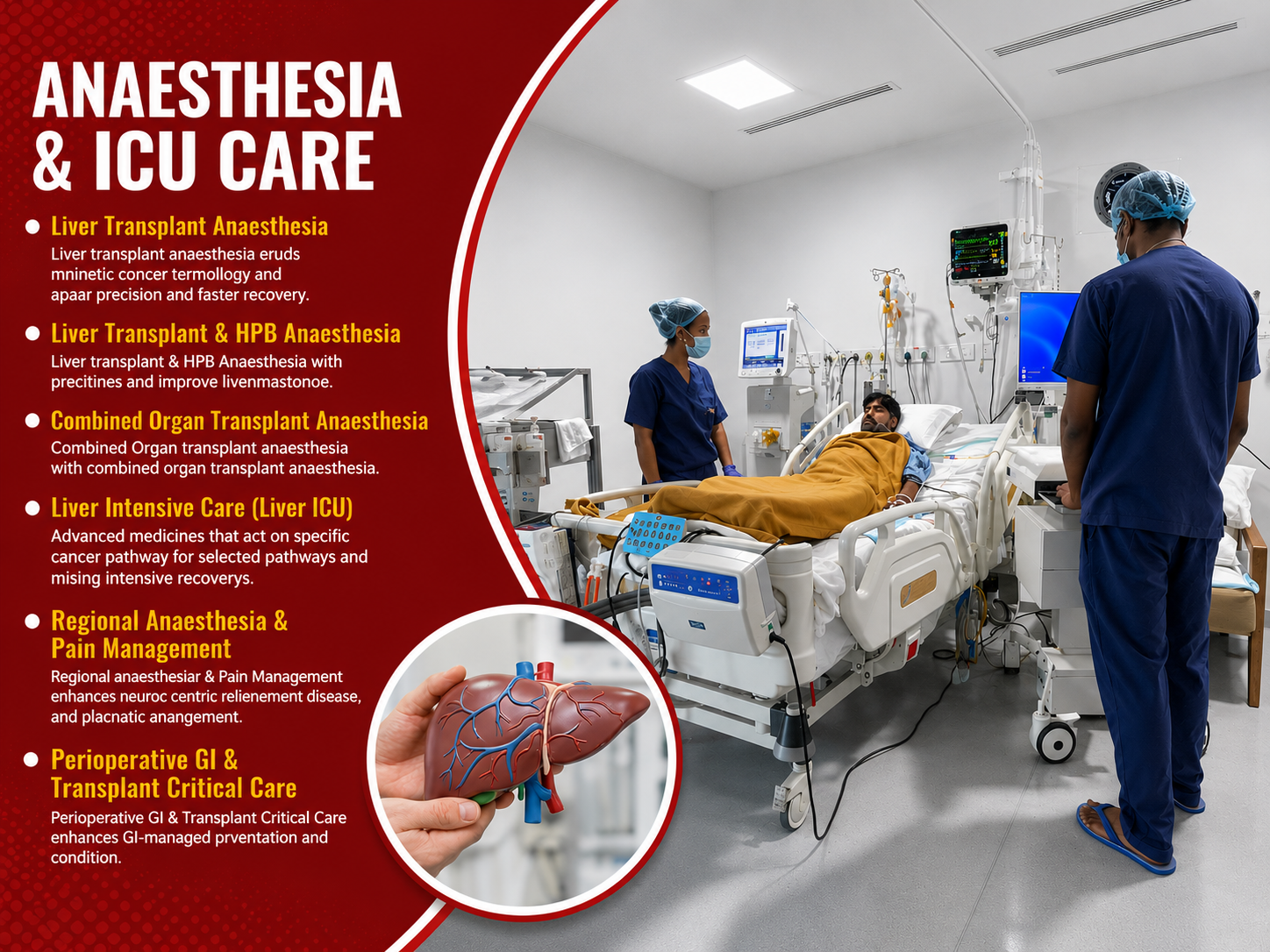
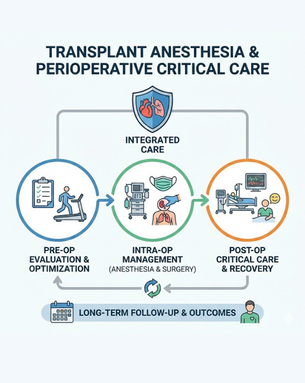
Comprehensive perioperative, transplant and critical care for complex liver cases
.png)
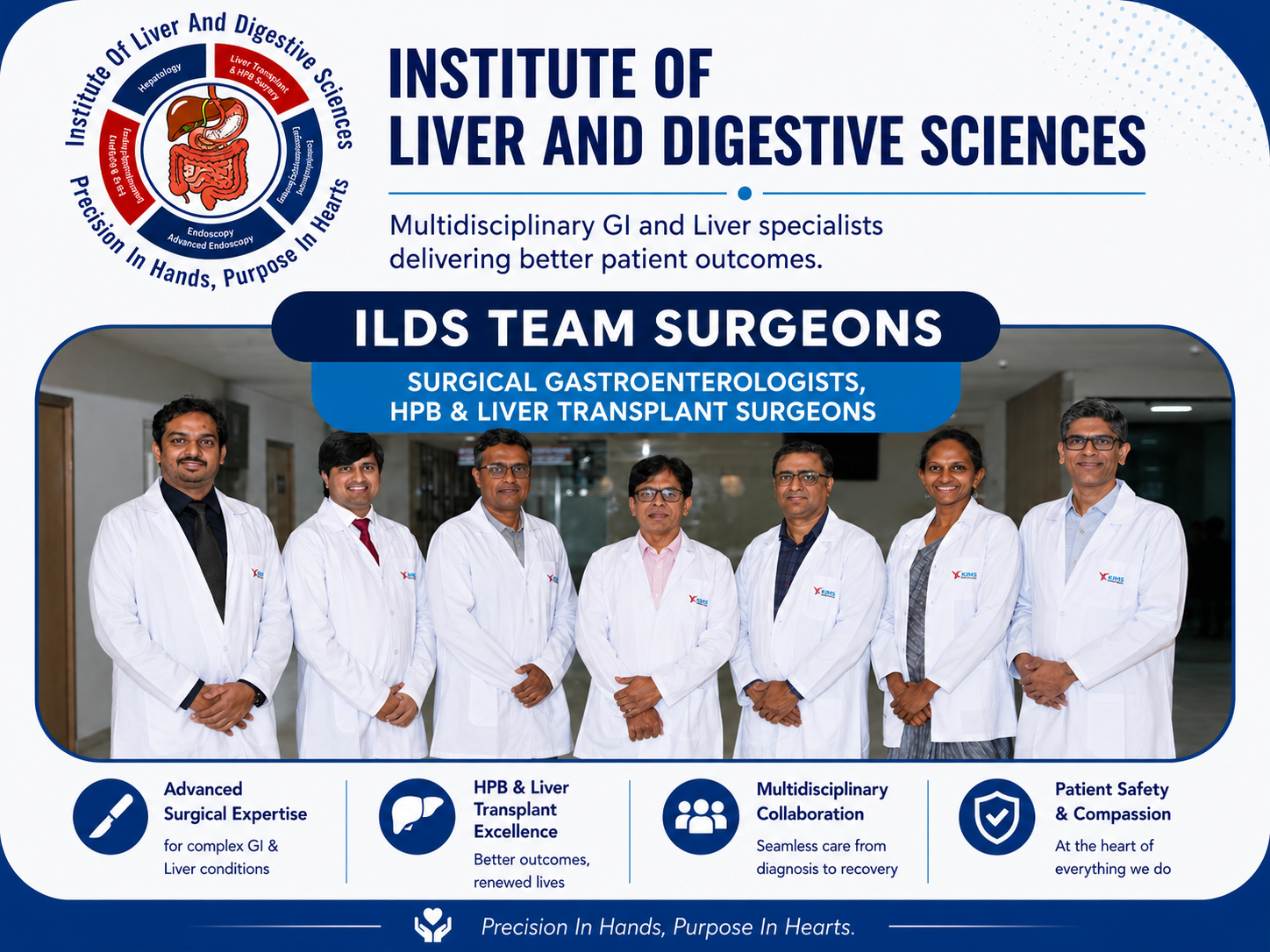
Delivering advanced surgical solutions for gastrointestinal, hepatobiliary and liver diseases through innovation, expertise and compassionate care
.png)
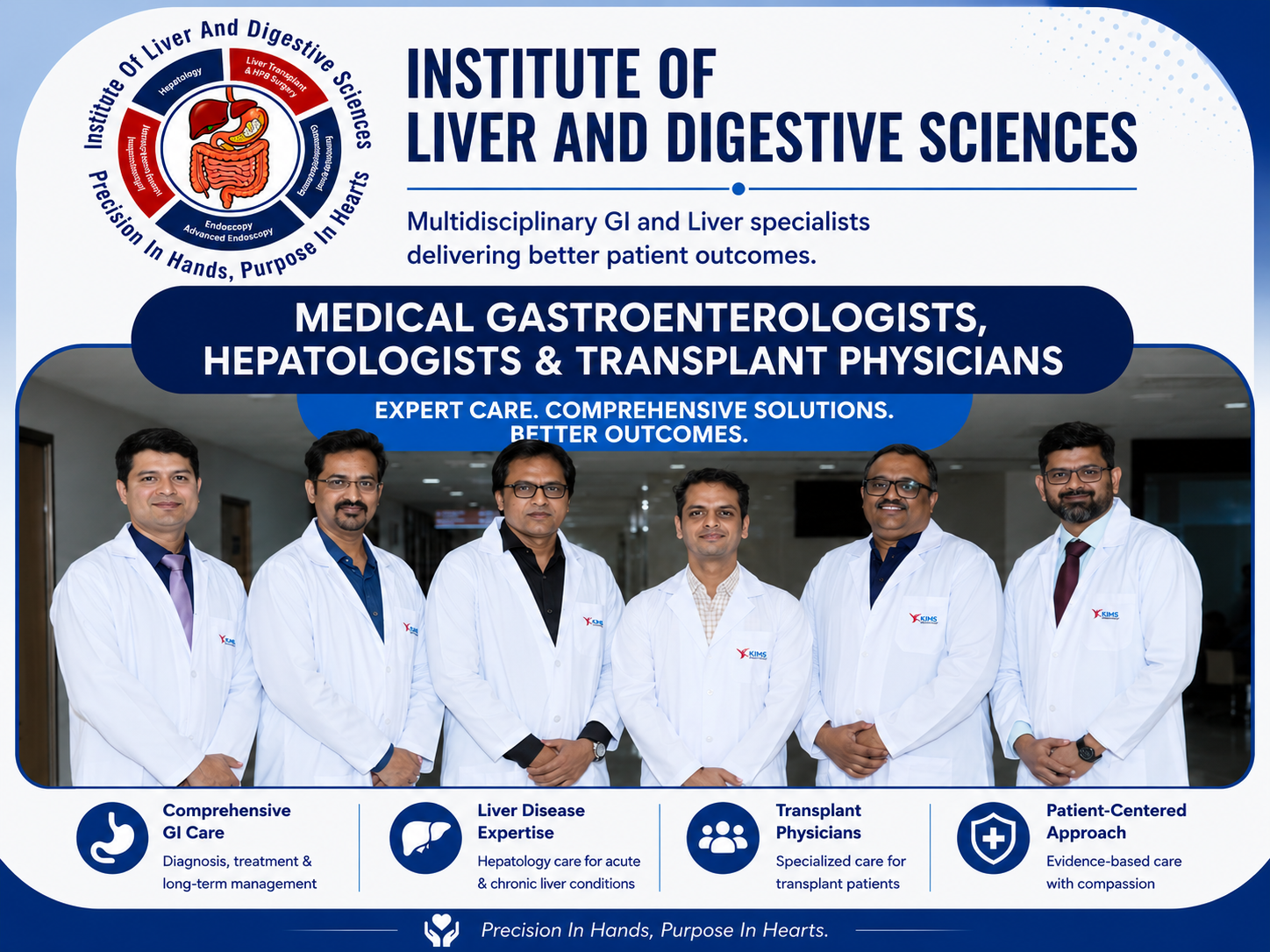
Combining clinical expertise, advanced diagnostics and compassionate care to achieve the best outcomes for patients with complex digestive and liver diseases
.png)
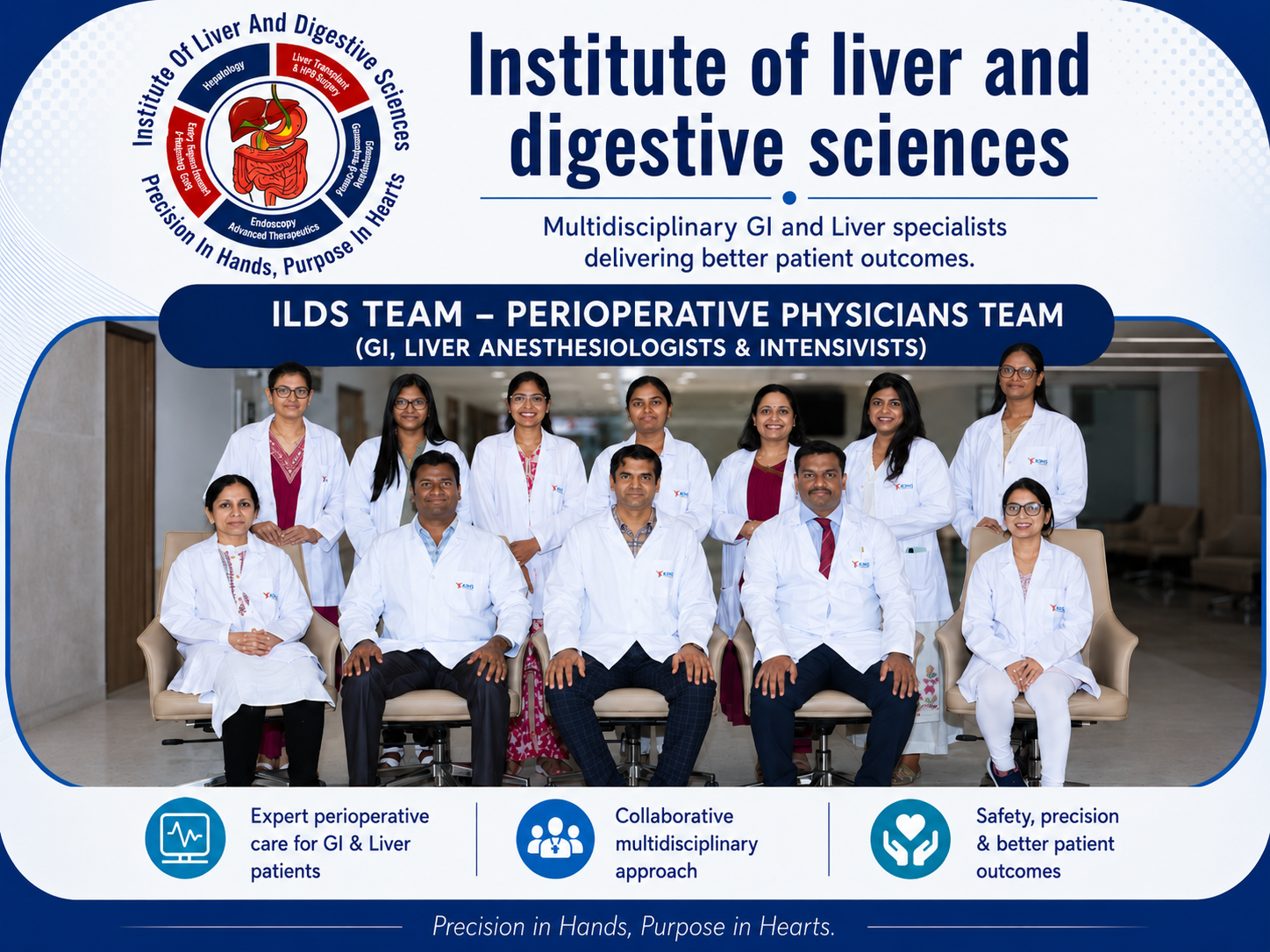
Leading GI and Liver Anesthesiologists & Intensivists delivering advanced perioperative care, critical care expertise, and seamless multidisciplinary collaboration
.jpg)
.png)

.jpg)

.jpg)


ILDS – Institute of Liver and Digestive Sciences is envisioned as a globally respected centre of excellence dedicated to comprehensive care for liver and digestive diseases.
Focus is on you — the patient.
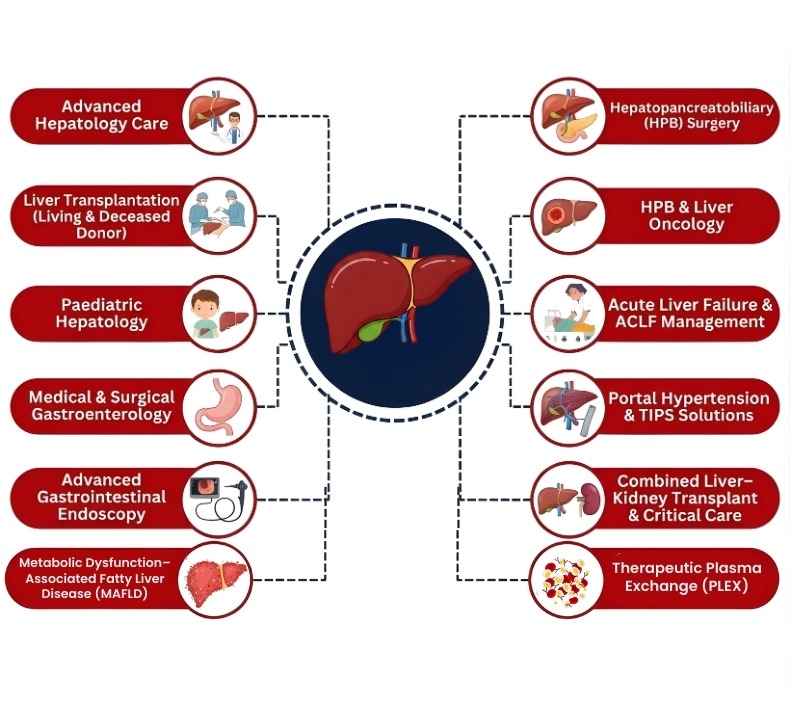
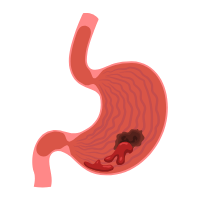
At ILDS, our mission is to deliver patient-centric, outcome-driven care through a uniquely integrated and long-term collaborative model. Our multidisciplinary team brings together expertise across hepatology, medical and surgical gastroenterology, advanced GI endoscopy, liver transplantation (living and deceased donor), open, laparoscopic and robotic hepatopancreatobiliary surgery, transplant anesthesia, and GI and liver critical care.
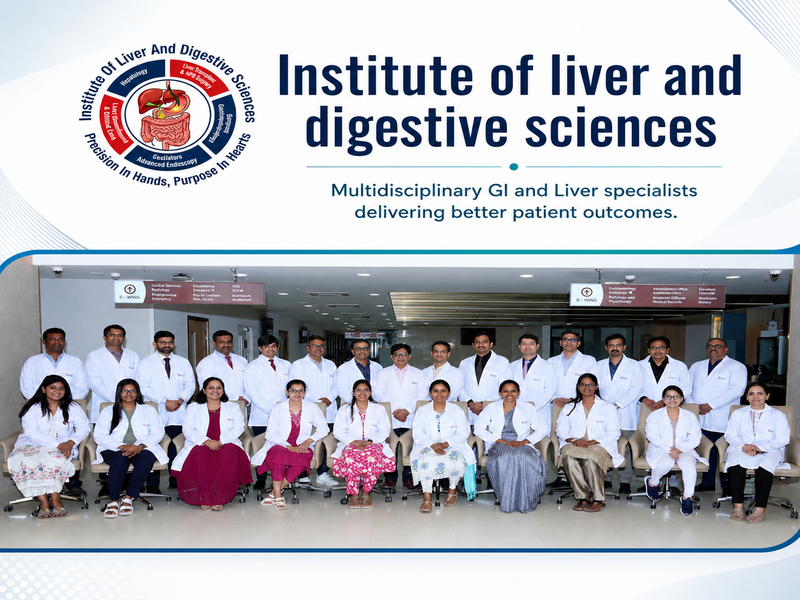
This seamless collaboration ensures continuity of care, informed decision-making, and individualized treatment strategies for every patient. All our specialists have worked together for many years and previously established mature GI and liver transplant programs in Karnataka before coming together to form ILDS. This is the foundation of our diverse yet cohesive team.
Our institution is built on the belief that managing complex hepatology and gastrointestinal conditions requires integrated teamwork, ethical practice, and consistently superior patient outcomes. Through this approach, ILDS aims to set new benchmarks in organ transplantation, advanced gastroenterology, HPB care, and critical care in India.
Surgeons and Physicians Associated
5 Star Reviews and Testimonials
Lives Touched
Annual Consultations
Comprehensive Liver & Digestive Care Services
About Doctor
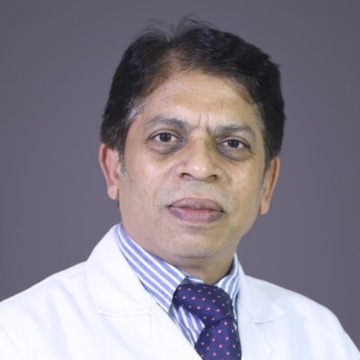
HPB and Liver Transplant Surgeon

Surgical Gastroenterologist, HPB and Liver Transplant Surgeon
.png)
Hepatologist, Liver Transplant Physician
.jpeg)
Surgical Gastroenterologist, HPB and Liver Transplant Surgeon
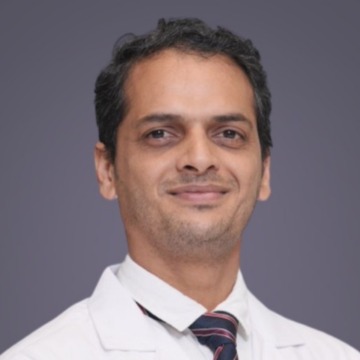
Hepatologist, Liver Transplant Physician
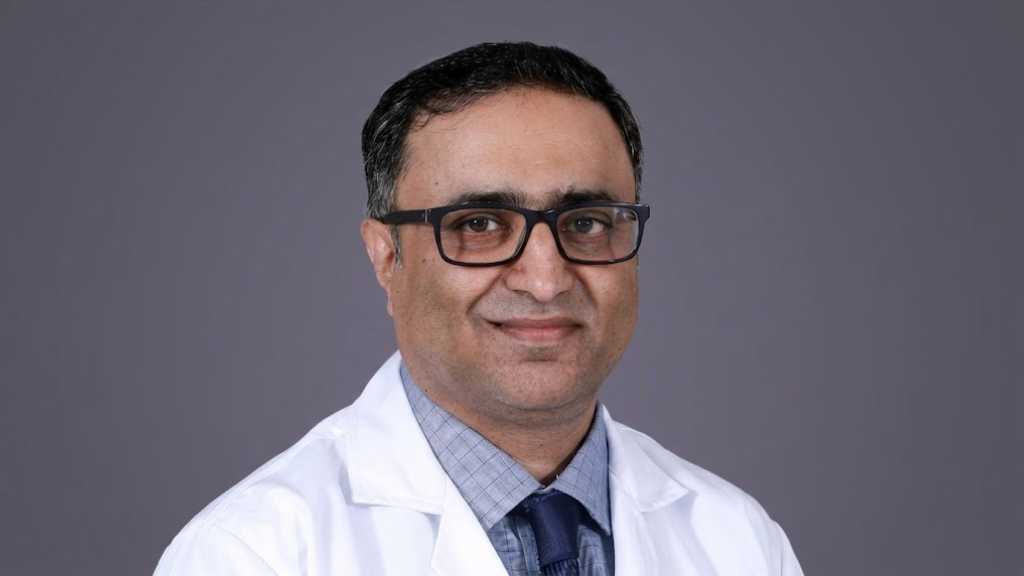
Surgical Gastroenterologist, HPB and Liver Transplant Surgeon
.png)
Surgical Gastroenterologist, HPB and Liver Transplant Surgeon
.png)
HPB and Liver Transplant Physician, Surgical Gastroenterologist
.png)
HPB and Liver Transplant Surgeon
.png)
Medical Gastroenterologist, Hepatologist and Interventional Endoscopist
.png)
Medical Gastroenterologist, Hepatologist and Interventional Endoscopist
.png)
Medical Gastroenterologist, Hepatologist and Interventional Endoscopist
.png)
Medical Gastroenterologist, Hepatologist and Interventional Endoscopist
What our Patients says about us
One of the best doctors I have ever met. A truly wonderful and compassionate person who takes care of patients with great dedication. I would highly recommend Dr. Prasanna Bhat to anyone in need — he has saved our lives, given us confidence, and supported us in every way. There are no words to fully express our gratitude.
Before going to US, I got few tests blood done at some center and got few elevated results. So decided to visit Dr Prasanna to get his advice and he explained it well and calmed my nervous worried mind. Those elevated results were non alarming, he very well explained reasons behind them and why it was non-harmful. Also he didn't recommend any unnecessary medications or any further extra tests. I stepped out of his clinic with calm mind. I highly recommend him.
Dr. Kishore was quick with the diagnosis but very quick. Overall he was aware of the infection and he looked at it and straight away informed me of that
Stay informed with our latest updates, posts, announcements, and healthcare news
Need Answers? Find them here...
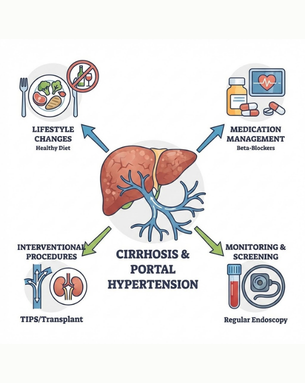
What is portal hypertension and how does ILDS manage it?
Portal hypertension occurs when blood pressure in the portal vein rises due to cirrhosis or blockage in liver blood flow. ILDS offers comprehensive management, including medications, endoscopic variceal ligation, TIPS (Transjugular Intrahepatic Portosystemic Shunt), and liver transplant evaluation for advanced cases. The team includes hepatologists, interventional radiologists, and endoscopy experts who provide targeted interventions to control bleeding, reduce ascites, and improve quality of life using international treatment guidelines.
Why choose ILDS for liver and digestive care?
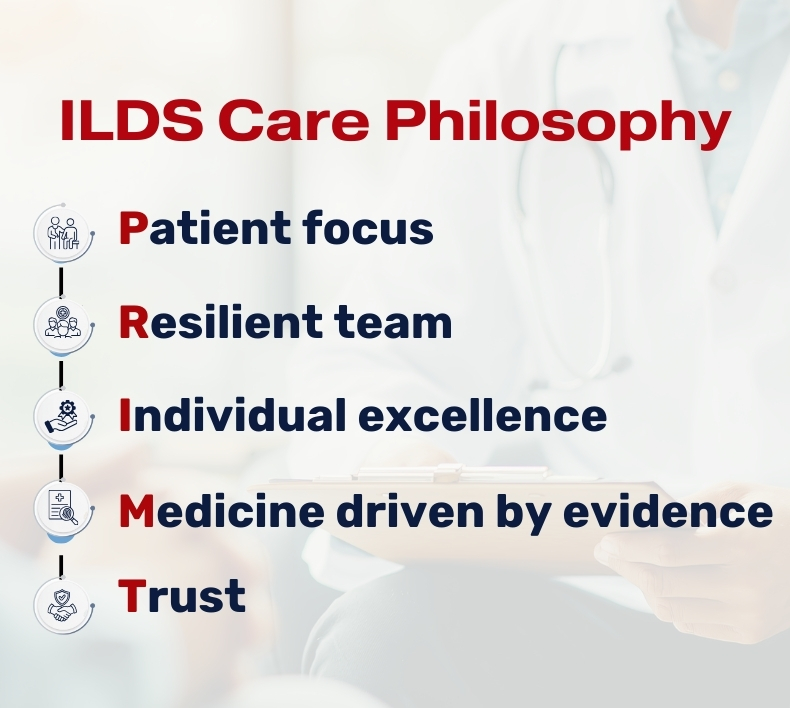
ILDS offers integrated expertise across hepatology, gastroenterology, HPB surgery, liver transplantation, advanced endoscopy, oncology, and critical care. With a multidisciplinary model, state-of-the-art facilities, evidence-based protocols, and a patient-first philosophy, ILDS delivers comprehensive solutions for simple and complex liver and digestive conditions. The centre’s PRIME-T care approach ensures ethical practice, precision diagnosis, superior clinical outcomes, and lifelong support. ILDS is committed to excellence in liver and digestive sciences.
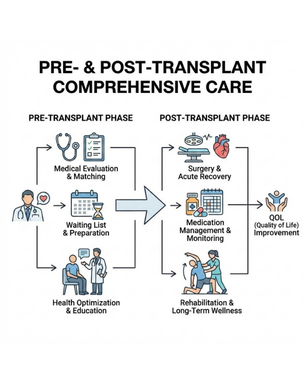
What is pre- and post-transplant care at ILDS?
Pre-transplant care includes comprehensive liver and health evaluation, optimisation of nutrition, infection control, cardiac assessment, transplant counselling, and donor evaluation for living donor procedures. Post-transplant care focuses on immunosuppression management, rejection monitoring, infection prevention, long-term follow-up, lifestyle guidance, and regular liver function testing. ILDS ensures seamless coordination between hepatologists, transplant surgeons, anaesthetists, nutritionists, and critical care teams to support lifelong transplant success.
What is Transplant Anaesthesia and why is it important?
Transplant anaesthesia is a specialised field managing patients during complex liver and multi-organ transplant surgeries. ILDS transplant anaesthesiologists handle intraoperative monitoring, haemodynamic control, blood management, and organ support during surgery. They also play a key role in preoperative optimisation and postoperative ICU care. Their expertise ensures surgical safety, reduces complications, and supports successful graft function, making them central to high-quality transplant outcomes.
What is GI and Liver Critical Care (Liver ICU)?
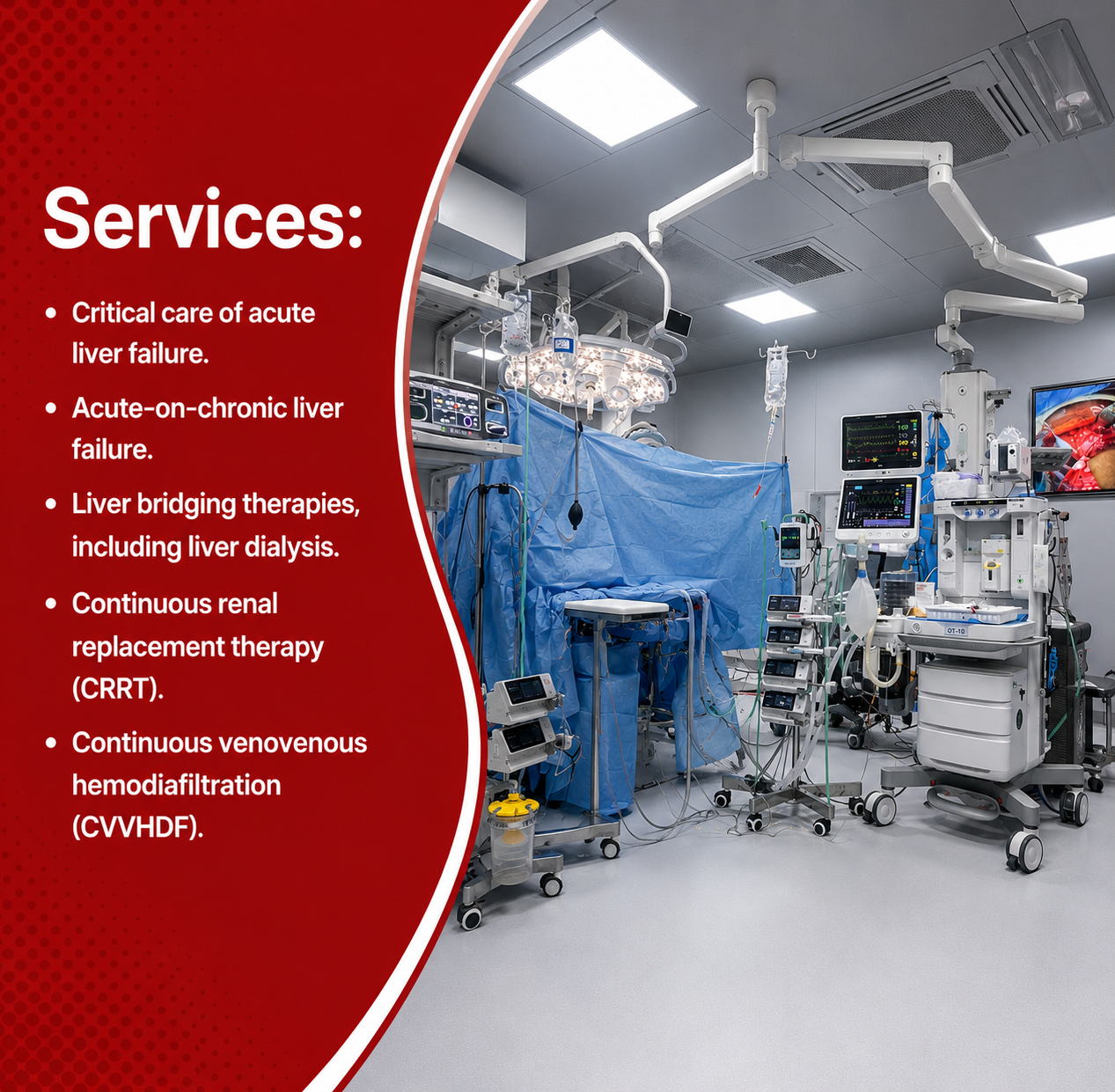
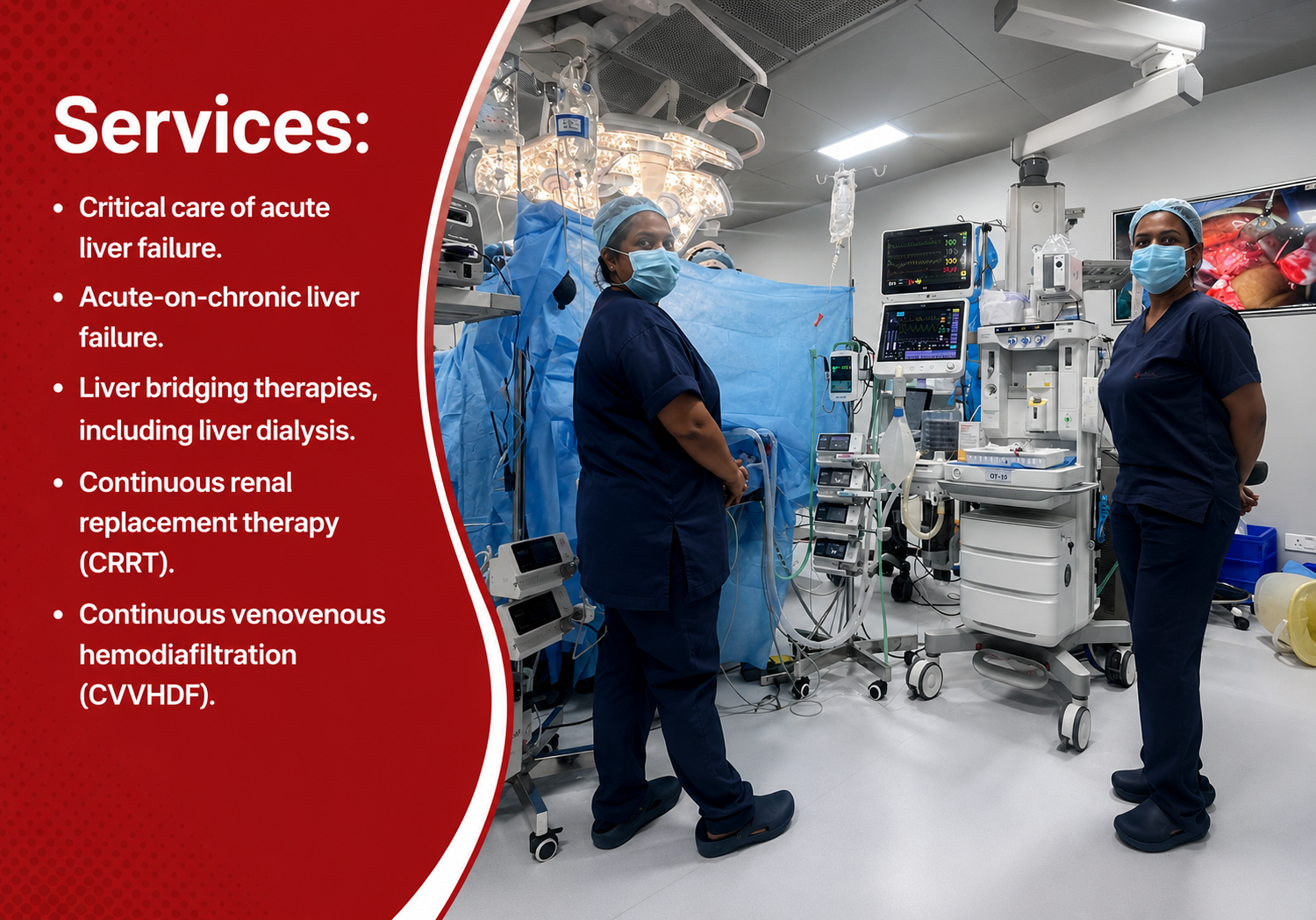
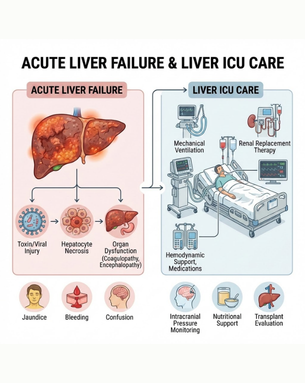
The Liver ICU at ILDS provides specialised intensive care for patients with acute liver failure, ACLF, GI bleeding, severe pancreatitis, sepsis, post-transplant recovery, and complex metabolic complications. Equipped with advanced organ-support technologies, continuous monitoring, and expert teams, the unit ensures rapid decision-making and stabilisation. Multidisciplinary input from hepatology, gastroenterology, transplant anaesthesia, and critical care specialists enables evidence-based, high-survival critical care for liver and GI emergencies.
What is Combined Liver–Kidney Transplant and who needs it?
Combined Liver–Kidney Transplantation (CLKT) is performed for patients who have both end-stage liver disease and irreversible kidney failure. Common indications include hepatorenal syndrome, metabolic diseases, and chronic kidney dysfunction along with cirrhosis. ILDS offers advanced evaluation, dual-organ transplant planning, experienced surgical teams, and comprehensive post-transplant care. The integrated hepatology, nephrology, transplant surgery, and critical care model ensures safe outcomes and long-term organ survival for eligible patients.
What is MAFLD (Metabolic Dysfunction–Associated Fatty Liver Disease)?
MAFLD, previously known as NAFLD, is a condition where excess fat accumulates in the liver due to metabolic dysfunction. It is associated with obesity, diabetes, high cholesterol, and sedentary lifestyle. ILDS offers early diagnosis, non-invasive fibrosis assessment, lifestyle counselling, medical therapy, and long-term monitoring to prevent progression to cirrhosis or liver cancer. A multidisciplinary approach, including nutrition and metabolic specialists, helps patients achieve sustained liver health and metabolic balance.
What is Therapeutic Plasma Exchange (PLEX) and how does it help liver patients?
Therapeutic Plasma Exchange (PLEX) is a procedure that removes toxins, antibodies, and inflammatory mediators from the blood. It is used in acute liver failure, ACLF, autoimmune hepatitis flares, Wilson’s disease crises, and certain metabolic disorders. At ILDS, PLEX is performed under the supervision of liver ICU and hepatology teams to stabilise patients, support organ recovery, and bridge them to transplant when needed. PLEX significantly improves short-term survival in select liver conditions.
What is Acute Liver Failure and ACLF care?
Acute Liver Failure (ALF) and Acute-on-Chronic Liver Failure (ACLF) are life-threatening conditions requiring urgent specialised care. ILDS provides 24x7 liver ICU monitoring, advanced organ support, therapeutic plasma exchange (PLEX), emergency liver transplantation, and multidisciplinary management. Treatment focuses on stabilisation, infection control, organ support, and rapid evaluation for transplant. Early intervention in a dedicated liver ICU improves survival outcomes, making ILDS a preferred centre for critical liver emergencies.
What is TIPS and when is it required?
TIPS (Transjugular Intrahepatic Portosystemic Shunt) is a minimally invasive procedure that reduces portal hypertension by creating a pathway within the liver for blood flow. ILDS performs TIPS for recurrent variceal bleeding, refractory ascites, hepatic hydrothorax, and select complications of cirrhosis. The procedure is performed by skilled interventional specialists in collaboration with hepatologists and liver ICU teams. TIPS can stabilise patients, improve symptoms, and serve as a bridge to liver transplantation.
What is the Institute of Liver and Digestive Sciences (ILDS)?
ILDS is a specialised centre of excellence dedicated to comprehensive liver, gastrointestinal, and hepatopancreatobiliary (HPB) care. It brings together leading experts in hepatology, gastroenterology, advanced GI endoscopy, HPB surgery, and liver transplantation. With a multidisciplinary model, ILDS delivers evidence-based treatment for complex conditions such as cirrhosis, fatty liver disease, gastrointestinal cancers, acute liver failure, and advanced digestive disorders. The institute focuses on integrated, patient-centric care and long-term clinical outcomes.
What is HPB and Liver Oncology?
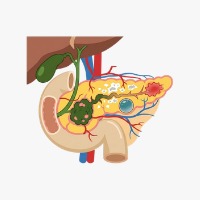
HPB and liver oncology at ILDS manages cancers of the liver, pancreas, gallbladder, bile ducts, and gastrointestinal tract. Services include multidisciplinary tumour boards, precision diagnostics, surgical oncology, systemic therapies, interventional oncology, and transplant-based solutions for eligible liver cancer cases. ILDS utilises evidence-based protocols, advanced imaging, and minimally invasive techniques to deliver personalised cancer care. The programme focuses on early detection, organ-preserving strategies, and long-term survival.
What is Hepatopancreatobiliary (HPB) Surgery?
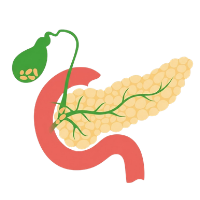
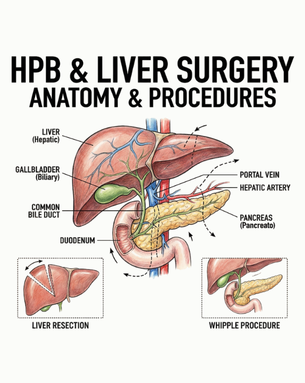
HPB surgery addresses complex diseases of the liver, pancreas, bile ducts, and gallbladder. ILDS specialises in liver resections, pancreatic surgeries, Whipple procedures, bile duct reconstruction, gallbladder cancer treatment, and surgery for benign and malignant HPB conditions. The HPB team works closely with hepatologists, gastroenterologists, and oncologists to ensure early diagnosis, accurate staging, and evidence-based surgical planning. The goal is safe treatment, organ preservation when possible, and improved survival outcomes.
What is Advanced Gastrointestinal Endoscopy?
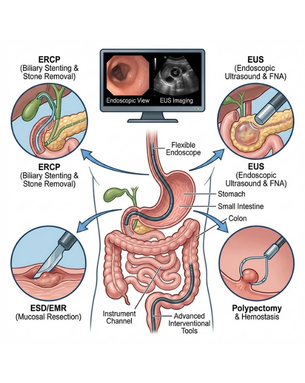
ILDS offers advanced GI endoscopy for diagnosis and therapeutic treatments using state-of-the-art imaging and minimally invasive techniques. Services include upper GI endoscopy, colonoscopy, ERCP, EUS, polypectomy, variceal banding, stenting, endoscopic mucosal resection (EMR), and endoscopic ultrasound-guided interventions. These procedures help manage GI bleeding, strictures, stones, pancreaticobiliary diseases, and early cancers. Advanced endoscopy enables quicker recovery, reduced complications, and avoidance of major surgery whenever possible.
What does Surgical Gastroenterology include?
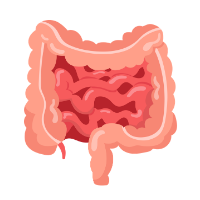
Surgical Gastroenterology at ILDS covers minimally invasive and open surgeries for gastrointestinal diseases, including stomach, intestine, colon, rectum, pancreas, and spleen disorders. Procedures include cancer surgeries, complex abdominal reconstructions, hernia repairs, bariatric surgery, and emergency GI surgeries. The team collaborates with gastroenterologists, oncologists, and HPB surgeons to create comprehensive treatment pathways. Emphasis is placed on precision surgery, faster recovery, and optimal functional outcomes.
What services are offered under Medical Gastroenterology?
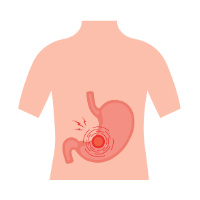
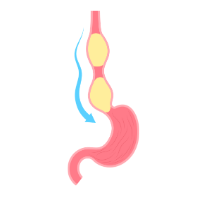
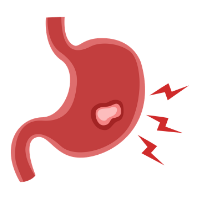
ILDS provides comprehensive medical gastroenterology services covering acid reflux, ulcers, gastritis, pancreatitis, IBS, IBD (Crohn’s disease and ulcerative colitis), GI bleeding, malabsorption disorders, and gastrointestinal infections. Patients benefit from advanced diagnostics, endoscopic evaluation, personalised treatment plans, diet counselling, and long-term disease monitoring. The department integrates closely with surgical gastroenterology, HPB surgery, and GI oncology to deliver holistic digestive care for both simple and complex gastrointestinal conditions.
What is Paediatric Hepatology and Liver Transplantation?
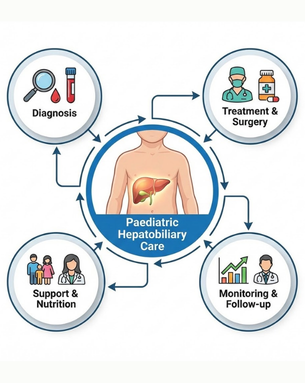
Paediatric hepatology focuses on diagnosing and treating liver diseases in children, including biliary atresia, metabolic liver disorders, congenital biliary problems, hepatitis, and paediatric fatty liver disease. ILDS offers specialised paediatric liver transplantation for children with end-stage liver failure, acute liver failure, or specific genetic conditions. The programme includes paediatric hepatologists, transplant surgeons, paediatric anaesthetists, nutrition specialists, and intensive care experts to ensure safe, compassionate, age-appropriate care and excellent long-term outcomes.
What types of liver transplantation does ILDS offer?
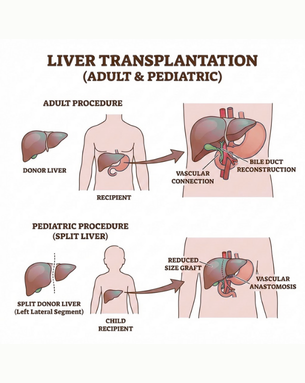
ILDS performs both living donor and deceased donor liver transplantation for adults and children. The programme includes evaluation, pre-transplant optimisation, surgical expertise, transplant anaesthesia, liver ICU management, and long-term follow-up. The team manages conditions like acute liver failure, advanced cirrhosis, metabolic liver diseases, liver cancer, and combined liver–kidney failure. With multidisciplinary collaboration and strict safety protocols, ILDS ensures high success rates, ethical practice, and comprehensive patient support throughout the transplant journey.
What is the difference between Hepatology and Transplant Hepatology?
Hepatology focuses on diagnosing and managing liver diseases, including fatty liver, hepatitis, cirrhosis, and liver cancer. Transplant Hepatology specialises in evaluating patients for liver transplantation, managing advanced liver failure, and caring for patients before and after surgery. Transplant hepatologists collaborate with transplant surgeons, anaesthesiologists, critical care experts, and endoscopists to ensure seamless care. At ILDS, both specialties work together to provide integrated, evidence-based solutions for complex liver conditions requiring transplant.
What conditions are treated under Hepatology at ILDS?
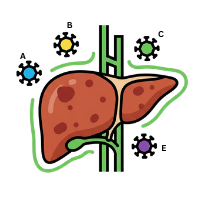
ILDS provides advanced hepatology services covering fatty liver disease (MAFLD), viral hepatitis (Hepatitis B and C), alcoholic liver disease, autoimmune liver disorders, cirrhosis, portal hypertension, and hepatocellular carcinoma. Specialists deliver early diagnosis, disease monitoring, end-stage liver disease management, and pre- and post-transplant care. Comprehensive support includes liver function assessment, non-invasive fibrosis tests, nutrition counselling, and personalised treatment plans. ILDS is recognised for managing both routine and highly complex liver conditions, ensuring superior outcomes.
Institute of Liver and Digestive Sciences (ILDS), KIMS Hospital Mahadevapura, Survey No. 36/5, Outer Ring Road Doddanekkundi, Hobli, K.R. Puram, Mahadevapura, Bengaluru 560037, Karnataka
KIMS Hospitals, Electronic City: Survey No. 37 & 38, PES University EC Campus, Hosur Rd, Konappana Agrahara, Electronic City, Bengaluru 560100, Karnataka
Website Powered by icareheal
© Intitute of Liver and Digestive Sciences 2025